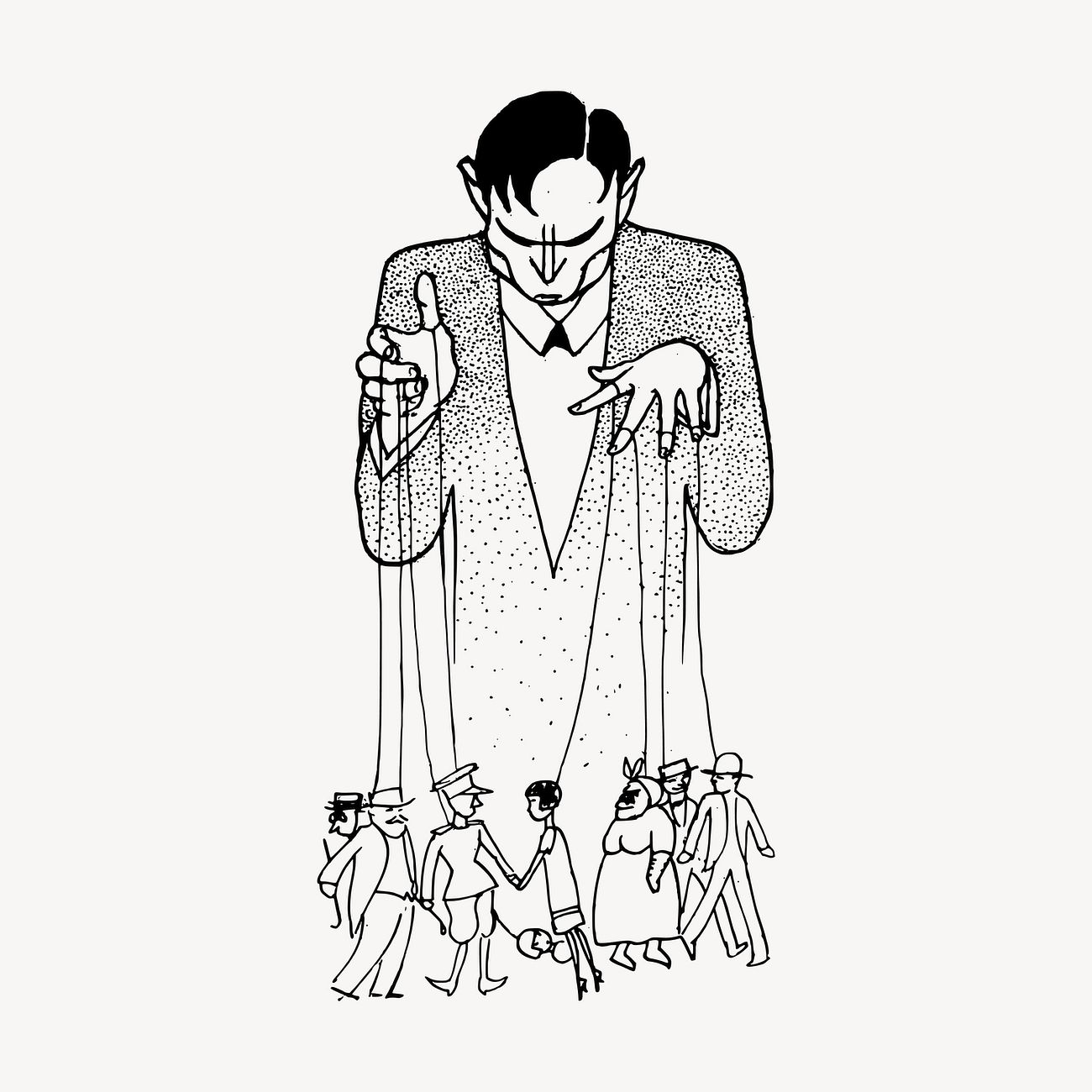
A US Senate Committee has blocked a massive effort by internet users to prohibit telephone and cable companies from providing better service and prices to preferred customer (link )
Bellamy C. Set back for ‘digital democracy’ campaign. craigbellamy.net. 2006. Available at: http://www.craigbellamy.net/2006/06/30/set-back-for-digital-democracy-campaing/. Accessed July 25, 2008.
APA citation:
Bellamy, Craig. (2006). Set back for ‘digital democracy’ campaign. Retrieved July 25, 2008, from craigbellamy.net Web site: http://www.craigbellamy.net/2006/06/30/set-back-for-digital-democracy-campaing/
Chicago citation:
Bellamy, Craig. 2006. Set back for ‘digital democracy’ campaign. craigbellamy.net. http://www.craigbellamy.net/2006/06/30/set-back-for-digital-democracy-campaing/ (accessed July 25, 2008).
Harvard citation:
Bellamy, C 2006, Set back for ‘digital democracy’ campaign, craigbellamy.net. Retrieved July 25, 2008, from <http://www.craigbellamy.net/2006/06/30/set-back-for-digital-democracy-campaing/>
MLA citation:
Bellamy, Craig. "Set back for ‘digital democracy’ campaign." 30 Jun. 2006. craigbellamy.net. Accessed 25 Jul. 2008. <http://www.craigbellamy.net/2006/06/30/set-back-for-digital-democracy-campaing/>
June 28, 2006 at 7:45 pm · Filed under media, web2.0
Tony Walker, the manager of ABC Digital Radio, gave a talk on the future of radio and all things Web2.0 here at the University of Melbourne the other day. He also discussed how a major broadcaster responds to user-driven media. He kindly sent me a list of the links used in the presentation. Have fun exploring them….(also here is an interview he did with John Faine on 774 ABC Radio on the future of radio…link )
Bellamy C. ABC Digital Radio. craigbellamy.net. 2006. Available at: http://www.craigbellamy.net/2006/06/28/abc-digital-radio/. Accessed July 25, 2008.
APA citation:
Bellamy, Craig. (2006). ABC Digital Radio. Retrieved July 25, 2008, from craigbellamy.net Web site: http://www.craigbellamy.net/2006/06/28/abc-digital-radio/
Chicago citation:
Bellamy, Craig. 2006. ABC Digital Radio. craigbellamy.net. http://www.craigbellamy.net/2006/06/28/abc-digital-radio/ (accessed July 25, 2008).
Harvard citation:
Bellamy, C 2006, ABC Digital Radio, craigbellamy.net. Retrieved July 25, 2008, from <http://www.craigbellamy.net/2006/06/28/abc-digital-radio/>
June 28, 2006 at 10:31 am · Filed under internet, web2.0
This study using Grannoveter's concept of 'strong and weak ties' is interesting, not so much because it is about the Internet, but because it blames the Internet. You could say exactly the opposite (and some researchers do); that the Internet actually increases social networks. Robert Putnam in his mammoth study of the decline of 'social capital' in the US in the post war period (Bowling Alone 2003), hints that television is to blame. I think that it is a number of factors; most likely good old fashioned laziness linked to right-wing 'wowserness'. Get out there and have a good time and talk to a few people folks!
The Internet may be contributing to a long term decline in the social networks in the US, according to to a study that reveals fewer close ties are now shared with family and friends than twenty years ago.(from the Age.com.au..Link )
Bellamy C. Social Isolation Linked to the web.. craigbellamy.net. 2006. Available at: http://www.craigbellamy.net/2006/06/28/social-isolation-linked-to-the-web/. Accessed July 25, 2008.
APA citation:
Bellamy, Craig. (2006). Social Isolation Linked to the web.. Retrieved July 25, 2008, from craigbellamy.net Web site: http://www.craigbellamy.net/2006/06/28/social-isolation-linked-to-the-web/
Chicago citation:
Bellamy, Craig. 2006. Social Isolation Linked to the web.. craigbellamy.net. http://www.craigbellamy.net/2006/06/28/social-isolation-linked-to-the-web/ (accessed July 25, 2008).
Harvard citation:
Bellamy, C 2006, Social Isolation Linked to the web., craigbellamy.net. Retrieved July 25, 2008, from <http://www.craigbellamy.net/2006/06/28/social-isolation-linked-to-the-web/>
MLA citation:
Bellamy, Craig. "Social Isolation Linked to the web.." 28 Jun. 2006. craigbellamy.net. Accessed 25 Jul. 2008. <http://www.craigbellamy.net/2006/06/28/social-isolation-linked-to-the-web/>
One of the most exciting developments in the past year or so has been the release of part/s of the BBC archive/s online under what is know as a Creative Archive licence. Bascally what this means, is that anyone can download a digitised film or television production and re-use it under certain conditions. What a bold gift to the nation!
The BBC, the bfi, Channel 4 and the Open University set up the Creative Archive Licence Group in April 2005 to make their content available for download under the terms of the Creative Archive Licence, a single, shared user licence scheme for the downloading of moving images, audio and stills (link ).
BBC launches local archives
The BBC has opened its archive of news clips from Devon, Cornwall, Lincolnshire and Humberside, so that users can freely download and keep more than 100 clips for their own personal use.
The released clips feature key moments in local history such as dramatic scenes from the miners' strikes, incredible shots of the Torrey Canyon disaster, shocking images of devastating flooding in Boscastle and Lincolnshire, and emotional scenes as Falklands soldiers come home to their families.
The archive also contains interviews with celebrities such as The Beatles and key political figures such as Harold Wilson and Arthur Scargill. There are also nostalgic gems like footage of holiday makers at a Torquay holiday camp, stockbrokers - complete with bowler hats and rolled umbrellas - skating to work during the big freeze of 1963 and a 1964 TV report about the new fashion for boys to have long hair!
Bellamy C. BBC Creative Archive. craigbellamy.net. 2006. Available at: http://www.craigbellamy.net/2006/06/27/bbc-creative-archive/. Accessed July 25, 2008.
APA citation:
Bellamy, Craig. (2006). BBC Creative Archive. Retrieved July 25, 2008, from craigbellamy.net Web site: http://www.craigbellamy.net/2006/06/27/bbc-creative-archive/
Chicago citation:
Bellamy, Craig. 2006. BBC Creative Archive. craigbellamy.net. http://www.craigbellamy.net/2006/06/27/bbc-creative-archive/ (accessed July 25, 2008).
Harvard citation:
Bellamy, C 2006, BBC Creative Archive, craigbellamy.net. Retrieved July 25, 2008, from <http://www.craigbellamy.net/2006/06/27/bbc-creative-archive/>
Here is an new video distribution and indexing system from Australia. It's not quite YouTube , and it's not quite Australian (ie. if you minus North America there isn't much going on), but hey, it's a start. It would be good to see one of these services take a stricter editorial line to add value to its content.
Bellamy C. New Australian Video Distribution System. craigbellamy.net. 2006. Available at: http://www.craigbellamy.net/2006/06/26/new-australian-video-distribution-system/. Accessed July 25, 2008.
APA citation:
Bellamy, Craig. (2006). New Australian Video Distribution System. Retrieved July 25, 2008, from craigbellamy.net Web site: http://www.craigbellamy.net/2006/06/26/new-australian-video-distribution-system/
Chicago citation:
Bellamy, Craig. 2006. New Australian Video Distribution System. craigbellamy.net. http://www.craigbellamy.net/2006/06/26/new-australian-video-distribution-system/ (accessed July 25, 2008).
Harvard citation:
Bellamy, C 2006, New Australian Video Distribution System, craigbellamy.net. Retrieved July 25, 2008, from <http://www.craigbellamy.net/2006/06/26/new-australian-video-distribution-system/>
MLA citation:
Bellamy, Craig. "New Australian Video Distribution System." 26 Jun. 2006. craigbellamy.net. Accessed 25 Jul. 2008. <http://www.craigbellamy.net/2006/06/26/new-australian-video-distribution-system/>
ISOC is pleased to announce the "IETF Journal", a new Internet Society publication produced in cooperation with the Internet Engineering Task Force. Our aim is to provide an easily understandable overview of what's happening in the world of Internet standards with a particular focus on the activities of the IETF Working Groups (WG). Each issue of the "IETF Journal" will highlight some of the hot issues being discussed in IETF meetings and in the IETF mailing lists. Our first issue takes a look back at the recent 63rd meeting of the IETF in Paris.
Bellamy C. Internet Society Publications: IETF Journal. craigbellamy.net. 2006. Available at: http://www.craigbellamy.net/2006/06/26/internet-society-publications-ietf-journal/. Accessed July 25, 2008.
APA citation:
Bellamy, Craig. (2006). Internet Society Publications: IETF Journal. Retrieved July 25, 2008, from craigbellamy.net Web site: http://www.craigbellamy.net/2006/06/26/internet-society-publications-ietf-journal/
Chicago citation:
Bellamy, Craig. 2006. Internet Society Publications: IETF Journal. craigbellamy.net. http://www.craigbellamy.net/2006/06/26/internet-society-publications-ietf-journal/ (accessed July 25, 2008).
Harvard citation:
Bellamy, C 2006, Internet Society Publications: IETF Journal, craigbellamy.net. Retrieved July 25, 2008, from <http://www.craigbellamy.net/2006/06/26/internet-society-publications-ietf-journal/>
Bellamy C. The voice of pod. craigbellamy.net. 2006. Available at: http://www.craigbellamy.net/2006/06/25/the-voice-of-pod/. Accessed July 25, 2008.
APA citation:
Bellamy, Craig. (2006). The voice of pod. Retrieved July 25, 2008, from craigbellamy.net Web site: http://www.craigbellamy.net/2006/06/25/the-voice-of-pod/
Chicago citation:
Bellamy, Craig. 2006. The voice of pod. craigbellamy.net. http://www.craigbellamy.net/2006/06/25/the-voice-of-pod/ (accessed July 25, 2008).
Harvard citation:
Bellamy, C 2006, The voice of pod, craigbellamy.net. Retrieved July 25, 2008, from <http://www.craigbellamy.net/2006/06/25/the-voice-of-pod/>
MLA citation:
Bellamy, Craig. "The voice of pod." 25 Jun. 2006. craigbellamy.net. Accessed 25 Jul. 2008. <http://www.craigbellamy.net/2006/06/25/the-voice-of-pod/>
3) How does it impact upon the public sphere? What sort of politics?
There are a number of different ways that the Internet can be discussed in terms of politics; there are the issues that surround the governance and regulation of the Internet (by nations and international organisations), there are the technical debates that emanate from the computer industry and telecommunication companies (or the standards debates), and there is the actual application of the Internet to the communication of political ideas by various political groups. It is the latter that is the most interesting form of new politics.
Bellamy C. The Internet and Political Communication. craigbellamy.net. 2006. Available at: http://www.craigbellamy.net/2006/06/24/the-internet-and-political-communication/. Accessed July 25, 2008.
APA citation:
Bellamy, Craig. (2006). The Internet and Political Communication. Retrieved July 25, 2008, from craigbellamy.net Web site: http://www.craigbellamy.net/2006/06/24/the-internet-and-political-communication/
Chicago citation:
Bellamy, Craig. 2006. The Internet and Political Communication. craigbellamy.net. http://www.craigbellamy.net/2006/06/24/the-internet-and-political-communication/ (accessed July 25, 2008).
Harvard citation:
Bellamy, C 2006, The Internet and Political Communication, craigbellamy.net. Retrieved July 25, 2008, from <http://www.craigbellamy.net/2006/06/24/the-internet-and-political-communication/>
MLA citation:
Bellamy, Craig. "The Internet and Political Communication." 24 Jun. 2006. craigbellamy.net. Accessed 25 Jul. 2008. <http://www.craigbellamy.net/2006/06/24/the-internet-and-political-communication/>
As the Internet becomes more important within social, economic, and political processes, issues of Internet governance will continue to come to the fore. The governance of the Internet concerns all 'three sectors'; government, the private sector, and Non-Government Organisations (NGOs). Together they confront a range of issues including technical standards, control, and access to the Internet.
The major international forum in which these issues are disscussed is called the World Summit for the Information Society (WSIS). And a regional player within this forum is called the Asia-Pacific Development Programme. They have a very usuful portal that outlines many of the complex Internet governance issues. http://www.igov.apdip.net
APDIP is an initiative of the United Nations Development Programme (UNDP) that aims to promote the development and application of new Information and Communication Technologies (ICTs) for poverty alleviation and sustainable human development in the Asia-Pacific region.
Bellamy C. Asia Pacific Development Information Programme. craigbellamy.net. 2006. Available at: http://www.craigbellamy.net/2006/06/22/asia-pacific-development-information-programme/. Accessed July 25, 2008.
APA citation:
Bellamy, Craig. (2006). Asia Pacific Development Information Programme. Retrieved July 25, 2008, from craigbellamy.net Web site: http://www.craigbellamy.net/2006/06/22/asia-pacific-development-information-programme/
Chicago citation:
Bellamy, Craig. 2006. Asia Pacific Development Information Programme. craigbellamy.net. http://www.craigbellamy.net/2006/06/22/asia-pacific-development-information-programme/ (accessed July 25, 2008).
Harvard citation:
Bellamy, C 2006, Asia Pacific Development Information Programme, craigbellamy.net. Retrieved July 25, 2008, from <http://www.craigbellamy.net/2006/06/22/asia-pacific-development-information-programme/>
MLA citation:
Bellamy, Craig. "Asia Pacific Development Information Programme." 22 Jun. 2006. craigbellamy.net. Accessed 25 Jul. 2008. <http://www.craigbellamy.net/2006/06/22/asia-pacific-development-information-programme/>
June 20, 2006 at 8:35 pm · Filed under history, web2.0
In a highly controversial move, Keith Winshuttle, the well-know Australian historian; recently elected to the board of the ABC, has accused Simon Schama of fabricating history. Read more >>
Bellamy C. Keith Winschuttle Accuses Simon Schama of Fabricating History. craigbellamy.net. 2006. Available at: http://www.craigbellamy.net/2006/06/20/keith-winschuttle-accuses-simon-schama-of-fabricating-history/. Accessed July 25, 2008.
APA citation:
Bellamy, Craig. (2006). Keith Winschuttle Accuses Simon Schama of Fabricating History. Retrieved July 25, 2008, from craigbellamy.net Web site: http://www.craigbellamy.net/2006/06/20/keith-winschuttle-accuses-simon-schama-of-fabricating-history/
Chicago citation:
Bellamy, Craig. 2006. Keith Winschuttle Accuses Simon Schama of Fabricating History. craigbellamy.net. http://www.craigbellamy.net/2006/06/20/keith-winschuttle-accuses-simon-schama-of-fabricating-history/ (accessed July 25, 2008).
Harvard citation:
Bellamy, C 2006, Keith Winschuttle Accuses Simon Schama of Fabricating History, craigbellamy.net. Retrieved July 25, 2008, from <http://www.craigbellamy.net/2006/06/20/keith-winschuttle-accuses-simon-schama-of-fabricating-history/>
MLA citation:
Bellamy, Craig. "Keith Winschuttle Accuses Simon Schama of Fabricating History." 20 Jun. 2006. craigbellamy.net. Accessed 25 Jul. 2008. <http://www.craigbellamy.net/2006/06/20/keith-winschuttle-accuses-simon-schama-of-fabricating-history/>
Here is a European version of Youtube. And this music clip is sort of funny. It’s about a guy being banned by a girl he likes (don’t you just love social media).
Bellamy C. Dailymotion: A European Youtube. craigbellamy.net. 2006. Available at: http://www.craigbellamy.net/2006/06/19/dailymotion-a-european-youtube/. Accessed July 25, 2008.
APA citation:
Bellamy, Craig. (2006). Dailymotion: A European Youtube. Retrieved July 25, 2008, from craigbellamy.net Web site: http://www.craigbellamy.net/2006/06/19/dailymotion-a-european-youtube/
Chicago citation:
Bellamy, Craig. 2006. Dailymotion: A European Youtube. craigbellamy.net. http://www.craigbellamy.net/2006/06/19/dailymotion-a-european-youtube/ (accessed July 25, 2008).
Harvard citation:
Bellamy, C 2006, Dailymotion: A European Youtube, craigbellamy.net. Retrieved July 25, 2008, from <http://www.craigbellamy.net/2006/06/19/dailymotion-a-european-youtube/>
MLA citation:
Bellamy, Craig. "Dailymotion: A European Youtube." 19 Jun. 2006. craigbellamy.net. Accessed 25 Jul. 2008. <http://www.craigbellamy.net/2006/06/19/dailymotion-a-european-youtube/>
June 19, 2006 at 1:50 pm · Filed under stubs, web2.0
(The return of cyber-punk?..sorry about this..a bit juvenile I know, but I was bored).
I am siting in a crappy bar in the outskirts of New Sydney. I feel a little tired from spending the night with the I-CAD drafter that I met the night before. Where did he learn to do these things? I have never really liked the gymnastic types; it all seems just a little theatrical. Luckily I didn’t give him my implanted IP address; I get enough hassle from that Esteem salesman I met in New-New York.
Bellamy C. The man with walrus eyes…. craigbellamy.net. 2006. Available at: http://www.craigbellamy.net/2006/06/19/the-man-with-walrus-eyes/. Accessed July 25, 2008.
APA citation:
Bellamy, Craig. (2006). The man with walrus eyes…. Retrieved July 25, 2008, from craigbellamy.net Web site: http://www.craigbellamy.net/2006/06/19/the-man-with-walrus-eyes/
Chicago citation:
Bellamy, Craig. 2006. The man with walrus eyes…. craigbellamy.net. http://www.craigbellamy.net/2006/06/19/the-man-with-walrus-eyes/ (accessed July 25, 2008).
Harvard citation:
Bellamy, C 2006, The man with walrus eyes…, craigbellamy.net. Retrieved July 25, 2008, from <http://www.craigbellamy.net/2006/06/19/the-man-with-walrus-eyes/>
MLA citation:
Bellamy, Craig. "The man with walrus eyes…." 19 Jun. 2006. craigbellamy.net. Accessed 25 Jul. 2008. <http://www.craigbellamy.net/2006/06/19/the-man-with-walrus-eyes/>
Since Manual Castells’ seminal book The Rise of Network Society and to a lesser degree, Michael Hardts’ and Antonio Negri’s Empire, it is generally accepted that networks, and the technologies that enable networks (either social or economic), are playing a greater role in how human beings live. However, the process of creating and maintaining a network is not an end in itself; it is just part of the play of networks as networks are far from politically neutral.
There are a lot of people who benefit from the formation of networks and usually the people who benefit the most are the people who created them. The creators can define the rules of the network and have the most mobility and power within the network. The creator of a network needs to maintain their popularity to keep their power and they also need to have the economic and social capital to move around the network. They are what I term a ‘network spider’.
Bellamy C. The rise of the network spider. craigbellamy.net. 2006. Available at: http://www.craigbellamy.net/2006/06/18/the-rise-of-the-network-spider/. Accessed July 25, 2008.
APA citation:
Bellamy, Craig. (2006). The rise of the network spider. Retrieved July 25, 2008, from craigbellamy.net Web site: http://www.craigbellamy.net/2006/06/18/the-rise-of-the-network-spider/
Chicago citation:
Bellamy, Craig. 2006. The rise of the network spider. craigbellamy.net. http://www.craigbellamy.net/2006/06/18/the-rise-of-the-network-spider/ (accessed July 25, 2008).
Harvard citation:
Bellamy, C 2006, The rise of the network spider, craigbellamy.net. Retrieved July 25, 2008, from <http://www.craigbellamy.net/2006/06/18/the-rise-of-the-network-spider/>
MLA citation:
Bellamy, Craig. "The rise of the network spider." 18 Jun. 2006. craigbellamy.net. Accessed 25 Jul. 2008. <http://www.craigbellamy.net/2006/06/18/the-rise-of-the-network-spider/>
From: Craig J Bellamy (s_cjb9@eduserv.its.unimelb.edu.au)
To: LAW SCHOOL.FACULTY & STAFF(Hibbitts)
Date: 12/1/96 1:03am
Subject: Last Writes Response
Dear Associate Professor Hibbitts,
I am a post-grad student at The University of Melbourne and I am just completing a masters degree on historical authorship on the web and CD ROM. I am comparing how the normal practices of book based authorship compare to historical hypertext productions. I have just read your article on print journals and I will offer a brief response.
Firstly, the article is very rich in ideas, but the thesis is so fundamentally flawed that I do not know where to begin. All I can offer is a brief statement as the time an effort to go through the paper systematically is beyond the scope of the paper’s worth. Firstly, you introduce the history of the law journal effectively and set out to state a problem. The problem is that there are too many journals, they are edited by “students”(who you see incompetent) and the editorial process is a bottle neck (and does not add any value to the publication process.) You then state that there is growing dissatisfaction within the profession concerning journals. My question to you is, how do you know? You use two or three examples of complaints, but there are about 400 journals! To introduce a problem like this, surely you have to at least get a broader selection. I am sure that there are a few people dissatisfied with the United States health system, but it does not mean you close it down.
You assert that the web and information technology is cheap or somehow free (as I type this into my $3000 computer), and then you go on with a whole bunch of inconsistencies. One is that you claim that it is difficult to get an article in a journal because they are always “filled up” then a few pages later you claim that electronic publication is effective because articles do not have to be put in it as space “filler”. You then claim that self-publishing is going to fix all our problems and use an example from 1665 to somehow legitimization through historical precedent. (They also burned witches during this period, perhaps we should revert to this as well.) You are basically claiming that legal editors serve little or no use and students are corrupt and incompetent. Not a bad thesis, and you wouldn’t be the first professor to claim this. But I am only a new post-grad student and I know virtually nothing about legal practice nor journals. What I can recognize is a good paper, a good thesis and a well argued point of view, and if I may be so bold, your paper reflect precious little of this. Surely this proof alone is enough to convince you of some of the huge dangers in self-publishing. Who is perfect?
Bellamy C. An online history…. craigbellamy.net. 2006. Available at: http://www.craigbellamy.net/2006/06/17/an-online-history/. Accessed July 25, 2008.
APA citation:
Bellamy, Craig. (2006). An online history…. Retrieved July 25, 2008, from craigbellamy.net Web site: http://www.craigbellamy.net/2006/06/17/an-online-history/
Chicago citation:
Bellamy, Craig. 2006. An online history…. craigbellamy.net. http://www.craigbellamy.net/2006/06/17/an-online-history/ (accessed July 25, 2008).
Harvard citation:
Bellamy, C 2006, An online history…, craigbellamy.net. Retrieved July 25, 2008, from <http://www.craigbellamy.net/2006/06/17/an-online-history/>
Bellamy C. The weblog project. craigbellamy.net. 2006. Available at: http://www.craigbellamy.net/2006/06/16/the-weblog-project/. Accessed July 25, 2008.
APA citation:
Bellamy, Craig. (2006). The weblog project. Retrieved July 25, 2008, from craigbellamy.net Web site: http://www.craigbellamy.net/2006/06/16/the-weblog-project/
Chicago citation:
Bellamy, Craig. 2006. The weblog project. craigbellamy.net. http://www.craigbellamy.net/2006/06/16/the-weblog-project/ (accessed July 25, 2008).
Harvard citation:
Bellamy, C 2006, The weblog project, craigbellamy.net. Retrieved July 25, 2008, from <http://www.craigbellamy.net/2006/06/16/the-weblog-project/>
...this blog is obsessively directed at profiling some of the 'Web2.0' developments (in a cultural, political and social sense and in terms of books, technologies, and applications)...it is an aggregation or 'meta' style weblog with the occasional commentary; the broad themes are online deliberative systems, eResearch, and the Digital Humanities...
Hi, my name is Dr Craig Bellamy and I am an Australian in London and I work at the Centre for eResearch at King's College. My task is to build, maintain, and promote a resource within the Digital Humanities called ICT Guides...and it is my goal to join every online social networking thingee in the whole damn world!...
PLEASE SEND ME YOUR LINKS...