
Category: e-learning
-

The future of the past-university online
After a tumultuous time in higher education over the past months, particularly in the EdTech and online learning spaces, it may be time to reflect, re-energise, and critically appraise. The past is full of junctures and upheavals, turning points and divergent paths, and it is the historian’s job to make sense of significant events and…
-
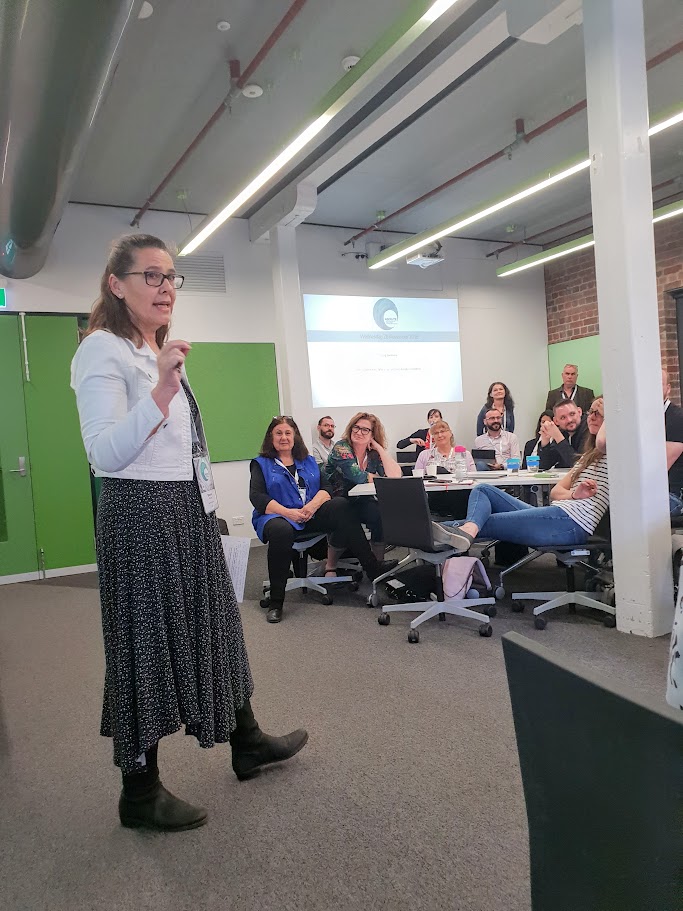
Is there a beyond in Constructive Alignment?
Next week at the ASCILITE conference, I will be conducting a debate about the pros and cons of ‘Constructive Alignment’ in higher education, especially as it relates to digital learning tools. Debates are a really good pedagogy in terms of outlining the pros and cons of a topic and building the soft and hard skills…
-

What are Open Educational Resources?
As the name suggests, Open Educational Resources (OER) are freely available resources for learning and teaching, such as documents, videos, syllabi, software, and images. The advantage for educators is that these resources may be deposited, shared and re-used, thus saving time in creating new courses or updating existing methods (also, the promotion of the particular…
-

Moderating successful online forums
As with face-to-face teaching within a campus-based classroom, teaching online through Learning Management Systems is an active process that involves planning and skill to create a productive environment for learning. The tools available to teach online have been available for quite a few years, but in recent times have become far more intuitive, integrated, and…
-

A lifetime of flexible learning..
I have been quiet of late, partly because I have been changing direction, and it takes a little while to turn the ship around. I have moved into the ‘flexible’ or ‘blended learning’ field, which I have been trying to do for a couple of years. And the area is enormous and quite refreshing after…
-
Digital Humanties & Learning environments
I wrote about this some time ago; about the connection between eLearning (blended learning etc.) and the Digital Humanities. The problem is that the connection is a weak one and should be further developed. I know of very few Digital Humanities modules or plugins etc. that are be used in existing learning environments such as…